

How to Choose the Right Mattress
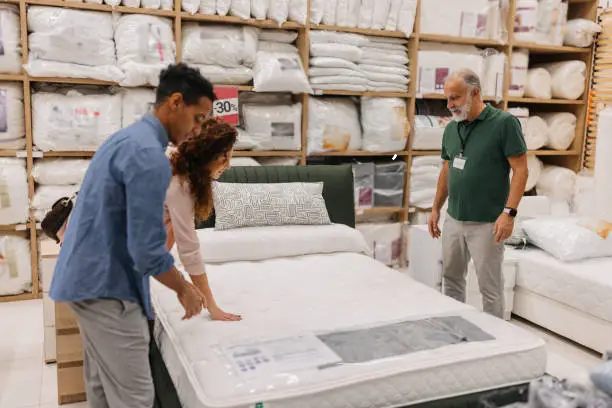
how to choose the right mattress
a good mattress supports your body, reduces pressure, and helps you wake up rested. a wrong one can lead to stiffness, back pain, and restless nights.
this guide keeps things simple and practical, so you can choose with confidence.
1. start with your sleep position
your sleep position is the foundation of choosing the right mattress.
A. back sleepers
look for:
• medium to medium‑firm
• gentle contouring
• even support across the spine
why: your lower back needs support without sinking too deeply.
B. side sleepers
look for:
• medium‑soft to medium
• good pressure relief
• a mattress that cushions shoulders and hips
why: your body needs softness to prevent pressure points.
C. stomach sleepers
look for:
• firm
• minimal sink
• strong support under the hips
why: a soft mattress can cause your hips to drop, straining your lower back.
2. understand firmness levels
firmness is not about “hard or soft.” it’s about how much your body sinks.
A. soft
• deep contouring
• best for light side sleepers
• not ideal for back or stomach sleepers
B. medium
• balanced feel
• works for most people
• good for combination sleepers
C. firm
• minimal sink
• best for stomach sleepers and heavier body types
• supportive but less pressure relief
most people fall into the medium range.
3. choose the right mattress type
each mattress type feels different. here’s the simple breakdown:
a. memory foam
• deep contouring
• great pressure relief
• good for side sleepers
• can feel warm
b. latex
• supportive and bouncy
• cooler than foam
• durable
• great for back and combination sleepers
c. hybrid (springs + foam or latex)
• balanced support
• good airflow
• works for most sleep positions
• ideal for couples
d. innerspring
• traditional feel
• strong support
• cooler sleep
• less pressure relief
If you’re also thinking about your pillow setup, our guide on How to Choose the Right Pillow explains how pillow height and firmness affect spinal alignment.
4. consider your body weight
your weight affects how much you sink into the mattress.
A. lighter body frame (under ~150 lb)
• softer or medium
• too‑firm mattresses may feel hard
B. average body frame
• medium or medium‑firm
• most mattresses work well
d. heavier body frame (over ~200 lb)
• medium‑firm or firm
• hybrids offer the best support
• avoid very soft foam
5. think about temperature
if you sleep warm, choose:
• latex
• hybrid
• gel‑infused foam
• breathable covers (cotton, bamboo)
if you sleep cold, memory foam can feel cozy and warm.
For Canadians who sleep warm, you may also find our guide on Cool Sleep Spaces for Canadian Summers helpful, especially if you’re choosing between foam and hybrid mattresses.
6. back pain considerations
for back pain, look for:
• medium‑firm
• good lumbar support
• a mattress that keeps your spine neutral
avoid very soft mattresses — they let your hips sink too much.
7. budget ranges (simple and realistic, QUEEN size mattress.)
you don’t need to overspend. here’s a calm, honest guide:
• $400–$800: basic foam or spring mattresses
• $800–$1,400: good hybrids, better materials
• $1,400–$2,000: premium hybrids, latex, long‑lasting support
most people find the best value in the $900–$1,400 range.
8. when to replace your mattress
most mattresses last 7–10 years. replace sooner if you notice:
• sagging
• waking up stiff
• dips in the middle
• more tossing and turning
• better sleep on other beds
your body will tell you when it’s time.
If you’re building a full sleep setup for warm weather, our guide on The Ideal Summer Bedding Setup for Cool, Dry Sleep in Canada shows how to choose breathable sheets, lightweight duvets, and cooling materials that pair well with different mattress types.
final thoughts

a good mattress should feel natural — like your body can finally relax.
choosing the right mattress doesn’t need to be complicated. start with your sleep position, choose a firmness that supports your body, and pick a material that feels comfortable and cool.
a good mattress should feel natural — like your body can finally relax.
Recommended for you
Images courtesy of Unsplash.com